Celestial Concepts

Deciphering the technical language of the heavens through a historical and cultural lens.

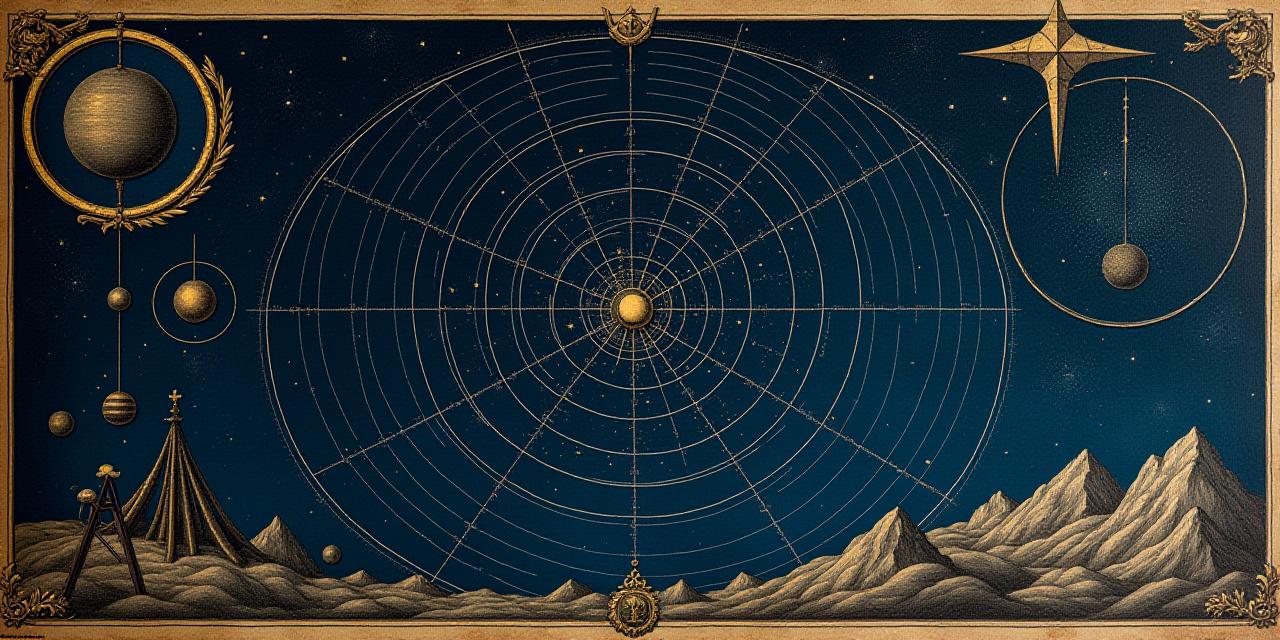
Historical celestial diagram showing planetary orbits and the ecliptic path

Retrograde

Primarily known as Apparent Retrograde Motion, this is an optical illusion where a planet appears to move backward in the sky as viewed from Earth. Historically, this occurs when Earth overtakes a slower-moving outer planet or is overtaken by a faster-moving inner planet in their respective orbits.
Aspects

In cultural astronomy, aspects are the specific geometric angles formed between celestial bodies as measured along the ecliptic. Traditional scholarship focuses on the major Ptolemaic aspects:

  • Trine (120°): A division by three, often associated with harmony in historical texts.
  • Square (90°): A division by four, historically viewed as a point of tension.
  • Opposition (180°): Direct alignment on opposite sides of the Earth.

The Ecliptic

The ecliptic is the circular path on the celestial sphere that the Sun appears to follow over the course of a year. This plane serves as the foundational reference line for most zodiac systems, as the planets remain close to this path throughout their cycles.

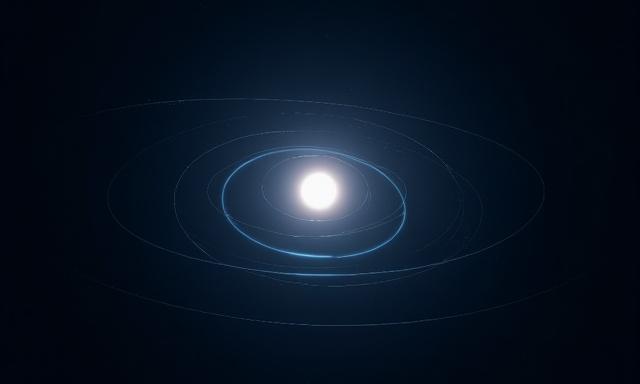
Schematic illustration of the Earth orbiting the sun showing the ecliptic plane

Scholarly Disclaimer: These definitions are provided for educational and historical purposes. While they describe the movement and geometry of celestial bodies, they are distinct from modern interpretative astrology and should not be used as basis for personal or professional predictions.