Global Zodiac Traditions

An exploration of how different cultures have mapped the belt of the heavens, from the Babylonian ecliptic to the Chinese lunar mansions.

Categorical Analysis of Systems

Artistic representation of the Western Tropical zodiac wheel themed by seasons

Tropical Zodiac

The Western system is anchored to the changing seasons. Rather than star positions, it divides the ecliptic based on the equinoxes and solstices, beginning with Aries at the Vernal Equinox. It is a solar-centric alignment deeply rooted in Hellenistic philosophy.


  • Origin: Mesopotamia/Greece
  • Anchor: Seasons (Equinoxes)
  • Primary Focus: Solar movement
Historical scholarly drawing of the Sidereal zodiac showing fixed star constellations

Sidereal Zodiac

Central to Vedic (Indian) astrology, the Sidereal system accounts for the precession of the equinoxes. It maps planets against the actual fixed constellations in the sky. This results in a roughly 24-degree difference from the Tropical system.


  • Origin: Ancient India (Jyotish)
  • Anchor: Fixed Stars
  • Primary Focus: Galactic alignment
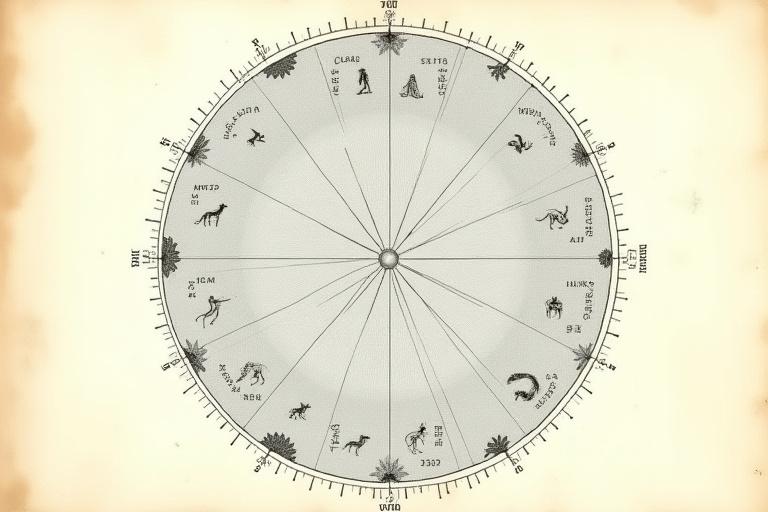
Traditional ink drawing of the twelve Chinese zodiac animals within a lunar chart

Chinese Zodiac

Departing from the ecliptic belt concepts, the Chinese system is based on a sexagenary cycle influenced by the lunar calendar and Jupiter's orbit. It categorizes years by twelve symbolic animals and five shifting elements (Wood, Fire, Earth, Metal, Water).


  • Origin: Ancient China
  • Anchor: Lunar Calendar
  • Primary Focus: Temporal cycles

Western Tropical Zodiac

Based on the seasonal cycles of the Earth. It follows the Sun's path relative to the equinoxes.

Vedic Sidereal Zodiac

Aligns with the astronomical positions of the constellations, accounting for the drift of the Earth's axis.

Chinese Lunar Zodiac

A 12-year cycle where each year is represented by an animal and its reputed attributes, based on the lunar calendar.

The Ayanamsha Factor

The primary difference between Western and Eastern celestial mapping is the Ayanamsha—the longitudinal difference between the Tropical and Sidereal zodiacs. This currently stands at approximately 24 degrees, meaning your sun sign may differ between systems.

Learn more about Ayanamsha →

Academic Inquiry

Our journal focuses on the cultural anthropology of these systems. We examine how the movement of stars influenced the structuring of ancient societies and their agricultural calendars. By understanding these systems, we gain insight into the shared human history of sky-watching.

Ref: SJ-VOL-IV-2024